
 CALL THE LOCATION NEAREST YOU
Dry Socket After Tooth Extraction: Causes, Symptoms & Treatment
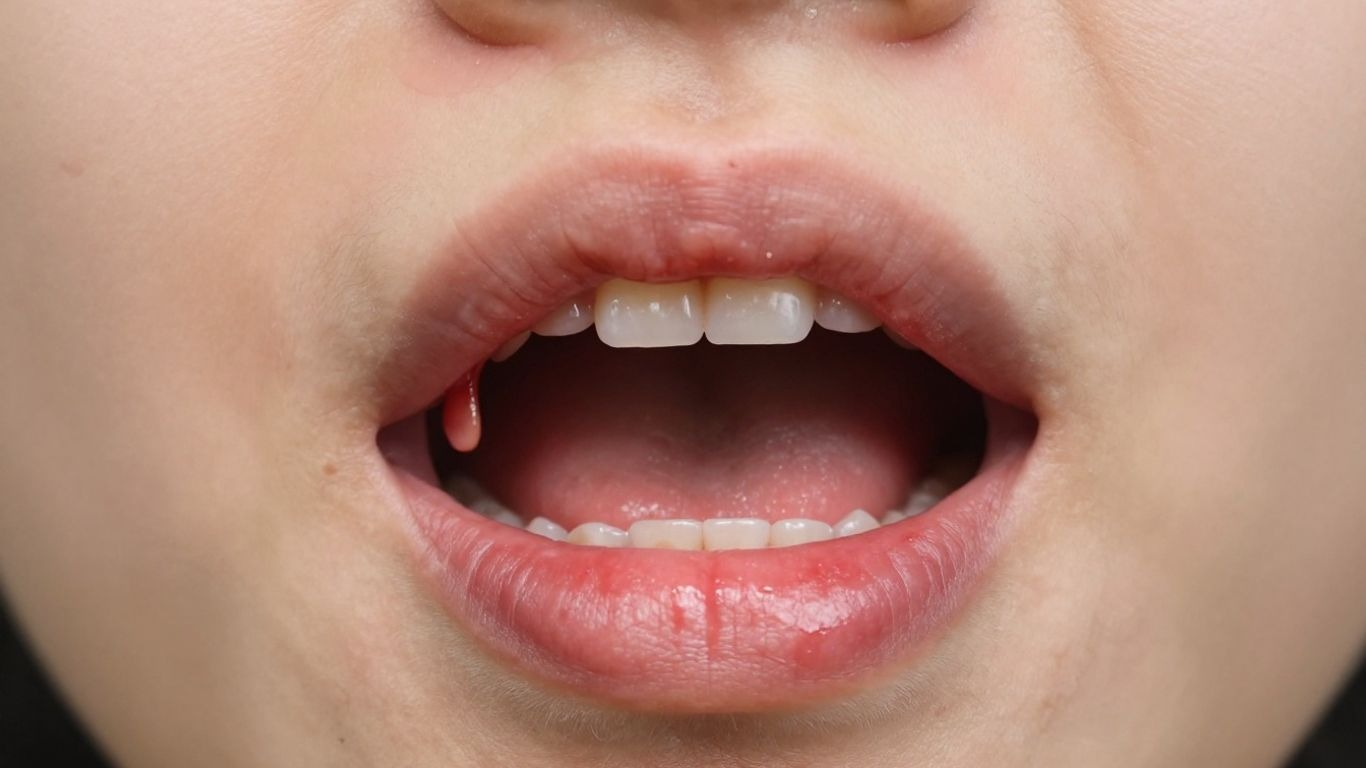
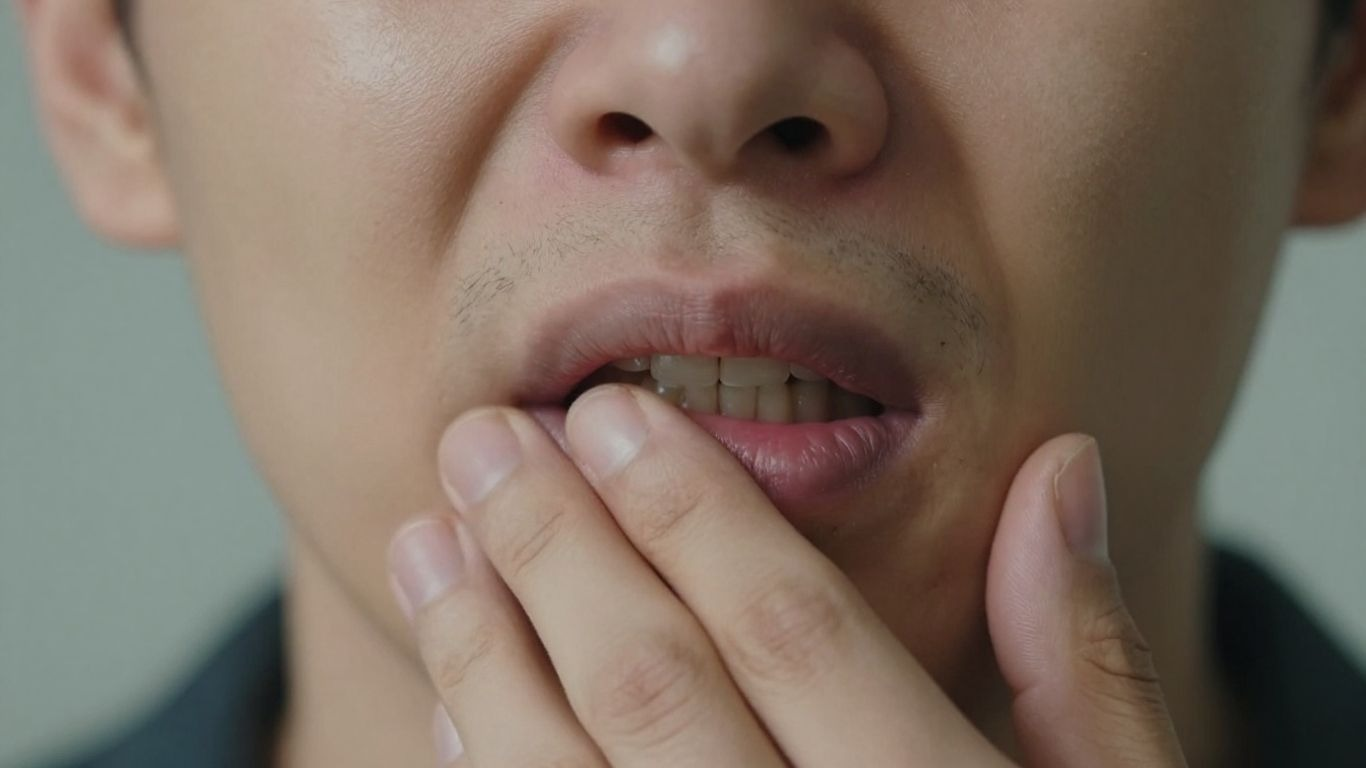
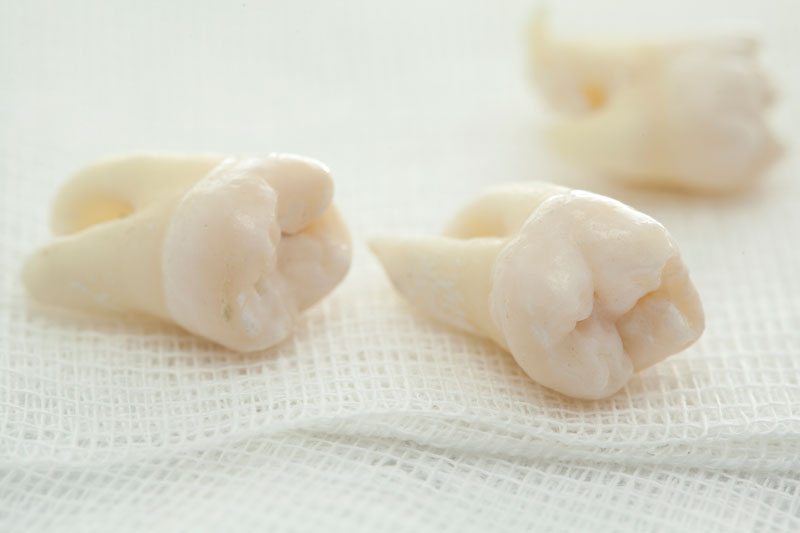
So, you've had a tooth pulled, and you thought the worst was over. You're trying to follow all the instructions, but then, a few days later, the pain really kicks in. It's way worse than you expected, and maybe there's a weird taste or smell too. This could be dry socket after tooth extraction. It's a common, though painful, complication that happens when the healing process gets a bit messed up. Understanding why it happens, what to look for, and how to deal with it can make a big difference in how quickly you feel better.